The Star Wars galaxy is a vast and intricate tapestry, but few upcoming projects promise to weave its threads together with the intricate precision of Ahsoka Season 2. Set to dive deeper into the cosmic mysteries and personal journeys introduced in its acclaimed first season, the next chapter of Ahsoka Tano’s saga is poised to be a pivotal nexus, truly Connecting the Galaxy: Ahsoka Season 2's Role in Star Wars Lore promises to be monumental, bringing together legendary figures and ancient Force traditions in unprecedented ways. It's more than just a continuation of a story; it's a strategic move by Lucasfilm to bridge disparate eras and expand the very fabric of the Star Wars universe as we know it.
This isn't just fan speculation. We're talking about direct confirmations from the talent involved and clear narrative breadcrumbs left by the creators. From the return of a beloved Jedi Master's mentor to the exploration of cosmic entities conceptualized by George Lucas himself, Season 2 is shaping up to be a defining moment that recontextualizes past events and lays crucial groundwork for future narratives.
At a Glance: What to Expect from Ahsoka Season 2
- A Galactic Reunion: Rosario Dawson's Ahsoka Tano and Hayden Christensen's Anakin Skywalker are confirmed to reunite, elevating an already emotionally charged narrative.
- Release Window: Disney+ is aiming for a Fall 2026 release, offering fans plenty of time to rewatch the first season and speculate.
- Peridea and Beyond: The story picks up with Ahsoka and Sabine Wren stranded on the distant galaxy of Peridea, while Grand Admiral Thrawn has successfully returned to the main Star Wars galaxy.
- Ancient Powers Unleashed: The enigmatic Mortis Gods, creatures of immense Force power from George Lucas's original concepts, will play a significant role.
- Eight Episodes of Epic Storytelling: Season 2 will consist of eight episodes, building on the narrative structure of its predecessor.
- A New Direction: Jennifer Getzinger and Carrie Beck are joining the directing team, promising fresh perspectives.
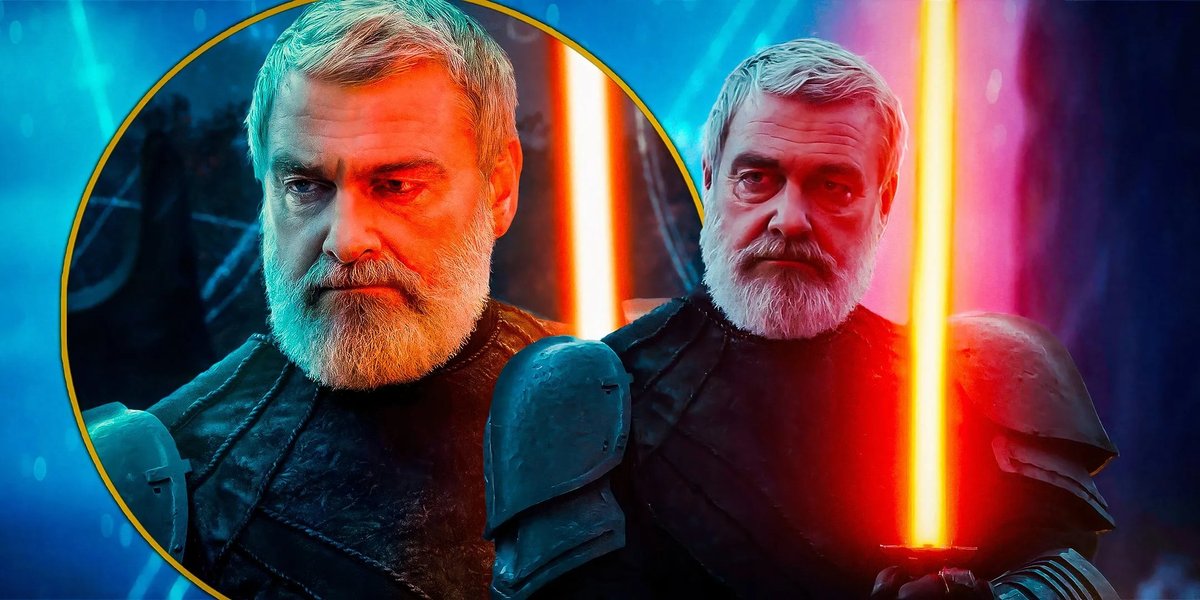
- Legacy and Loss: Rory McCann takes over the role of Baylan Skoll following the passing of the revered Ray Stevenson, while Ivanna Sakhno's Shin Hati is set for an expanded exploration of her unique Force path.
The Perilous Crossroads: Where We Left Off and What's Ahead
Season 1 of Ahsoka left us on a monumental cliffhanger. Ahsoka Tano and her former Padawan, Sabine Wren, successfully located Ezra Bridger and Grand Admiral Thrawn on the distant galaxy of Peridea. Yet, in their pursuit, they inadvertently facilitated Thrawn’s grand return to the known galaxy aboard the Chimaera, leaving themselves and Ezra stranded far from home. This separation is the central catalyst for Season 2's premise: Ahsoka's paramount goal is to find a way back to her home galaxy.
This isn't just about a journey home; it's about the consequences of Thrawn's return. His strategic brilliance and ruthless ambition pose a dire threat to the fragile New Republic, and his escape means the seeds of Imperial resurgence have been sown. Meanwhile, on Peridea, the mysteries of the Force run deeper than anything previously encountered in the core galaxy. Baylan Skoll’s quest for ancient power, seemingly tied to the colossal statues of the Mortis Gods, hints at a cosmic architecture that predates the Jedi and Sith. This sets up a dual narrative: one of desperate survival and discovery on a new world, and another of looming galactic conflict and political instability back home.
A Reunion Decades in the Making: Anakin Skywalker's Return
The news that Hayden Christensen will return as Anakin Skywalker in Ahsoka Season 2 isn't just exciting; it's profoundly significant for the Star Wars narrative. Rosario Dawson herself confirmed filming scenes with Christensen, a reunion that speaks volumes about the emotional core of Ahsoka's journey. Christensen's powerful portrayal of Anakin, both as the troubled Jedi Knight in flashbacks and as the wise, albeit stern, Force Ghost in Season 1, was a highlight for many fans. His presence in Season 2 promises to deepen Ahsoka's understanding of her past, her identity, and her path forward.
While the full extent of his role remains a mystery and may be limited, the possibilities are tantalizing. Will he appear as a Force Ghost, offering guidance and perhaps a final reckoning for Ahsoka's lingering guilt or questions about his fall? Or will their reunion transcend the traditional Force Ghost interaction, perhaps within the enigmatic World Between Worlds? This dimension, which Ahsoka herself traversed in Star Wars Rebels, offers a unique opportunity for conversations across time and space, potentially allowing a more direct, corporeal interaction with her former master at different points in his life, or a deeper dive into the lessons she still needs to learn from him.
Anakin's presence signifies more than just a nostalgic callback. Ahsoka's journey has always been defined by her relationship with Anakin. From her time as his Padawan, through his transformation into Darth Vader, and her eventual decision to walk away from the Jedi Order, his influence is undeniable. His return, in whatever form, suggests that Ahsoka still has unresolved issues, or perhaps needs his unique perspective to confront the ancient Force powers she is now encountering. This reunion is a narrative touchstone, connecting the prequel era directly to the New Republic era through one of the most compelling master-apprentice relationships in Star Wars lore. Fans eager to mark their calendars should definitely keep an eye on the official announcements regarding the Ahsoka Season 2 release date, especially given the meticulous nature of these highly anticipated story beats.
Unraveling Ancient Lore: The Mortis Gods and George Lucas's Vision
One of the most thrilling revelations for lore enthusiasts is the confirmed significant role of the mysterious Mortis Gods. First introduced in Star Wars: The Clone Wars, these cosmic entities – the Father, the Son, and the Daughter – embody the balance, dark side, and light side of the Force, respectively. Their appearance on Peridea, represented by colossal statues in Season 1’s finale, signals a profound expansion of galactic mythos.
What makes this particularly exciting is the integration of George Lucas's original ideas. Lucas himself was deeply involved in the creation of the Mortis arc for The Clone Wars, intending them to be personifications of the Force itself. Their presence on Peridea suggests that Ahsoka and Sabine have stumbled upon a place of immense cosmic significance, perhaps even the origin point of their power, or a nexus where the fundamental forces of the galaxy converge. This move demonstrates Lucasfilm's commitment to honoring and building upon the foundational concepts of the creator, allowing the saga to evolve organically while staying true to its philosophical roots.
The Mortis Gods represent a level of Force power and mystery that dwarfs even the most powerful Jedi or Sith. Their involvement suggests that Ahsoka's journey on Peridea isn't just about finding a hyperspace lane home, but about understanding the very nature of the Force itself. This exploration could redefine how characters (and audiences) perceive the Force, moving beyond individual users and tapping into its primordial, cosmic essence. It also raises questions: Are the statues merely representations, or are the Mortis Gods themselves still active or dormant on Peridea? Could their power be the key to interstellar travel between galaxies, or perhaps a means to prevent Thrawn from consolidating power? Their role will undoubtedly elevate Ahsoka Season 2 into a foundational piece of Star Wars cosmology.
The Quest for Home, The Weight of the Galaxy
Ahsoka's primary objective—to return to her home world—is a driving force, but it’s laden with complex layers. It's not just a personal journey; it's deeply intertwined with the fate of the New Republic and the larger galaxy. With Thrawn now free and back in the main galaxy, time is of the essence. Ahsoka and Sabine's struggle to find a way back isn't just about their own survival, but about preventing a second galactic war.
Sabine Wren, a Mandalorian whose journey has often paralleled Ahsoka's, is also at a critical juncture. Having finally reunited with Ezra, her own path to becoming a true Jedi, or at least a powerful Force user, continues. Her bond with Ahsoka and her unique blend of Mandalorian pragmatism and nascent Force sensitivity will be crucial in navigating the perils of Peridea. Her quest for belonging and purpose, intertwined with her commitment to Ezra and Ahsoka, grounds the cosmic stakes in human (or rather, sentient) connection.
Meanwhile, back in the known galaxy, Thrawn's strategic genius will be a formidable challenge. While the first season focused on the journey to Thrawn, Season 2 will likely deal with the repercussions of his return. His chess-like approach to warfare and politics, combined with the scattered remnants of Imperial loyalists, poses an existential threat to the nascent New Republic. The overarching conflict of Season 2 is thus a race against time: Ahsoka and Sabine must return before Thrawn can fully unleash his plan, further cementing his place as one of Star Wars' most enduring and dangerous villains.
New Faces, Renewed Rivalries: Shin Hati, Baylan Skoll's Legacy, and Beyond
The supporting cast of Ahsoka Season 2 is also set for significant development. Rory McCann's recasting as Baylan Skoll is a respectful and necessary step following the sad passing of Ray Stevenson. Stevenson delivered a truly iconic performance, imbuing Baylan with a weary wisdom and a mysterious drive that instantly captivated audiences. McCann, known for his imposing presence and nuanced performances (most notably as Sandor "The Hound" Clegane in Game of Thrones), has big shoes to fill, but his casting suggests a continued emphasis on Skoll's powerful and enigmatic presence. Baylan’s quest for a power beyond the Jedi and Sith remains a central mystery, and his continued exploration of Peridea’s ancient secrets will undoubtedly be a fascinating thread.
Ivanna Sakhno's Shin Hati is another character poised for a compelling arc. Having been abandoned by Baylan and left to navigate the dangerous landscape of Peridea, her story is expected to explore her struggle with balancing the Force. This isn't just about choosing light or dark; it's about finding a unique path, perhaps one that rejects the dogmatic extremes of both the Jedi and the Sith. Her character could become a vital voice in a burgeoning trend within Star Wars lore that questions traditional binaries, suggesting that a true understanding of the Force lies in embracing its complexities rather than its divisions. This journey for Shin Hati offers a fresh perspective on the Force and the ethical ambiguities of wielding such power outside conventional doctrines.
While Ewan McGregor will not return as Obi-Wan Kenobi, putting an end to earlier rumors, the possibility of other character cameos still looms. The World Between Worlds, in particular, offers a literal portal for such appearances without disrupting established timelines. Whether it's glimpses of other Force users or individuals connected to the Mortis Gods, the stage is set for unexpected encounters that could enrich the narrative further. The cast, including Eman Esfandi (Ezra Bridger), Natasha Liu Bordizzo (Sabine Wren), and Mary Elizabeth Winstead (Hera Syndulla), will continue to be crucial in grounding this cosmic narrative in relatable characters and their deeply personal stakes.
The World Between Worlds: A Portal to Possibilities
The World Between Worlds (WBW), first introduced in Star Wars Rebels, is one of the most profound and potentially game-changing concepts in Star Wars lore. It's an ethereal plane that exists outside of normal time and space, acting as a nexus for all moments in the galaxy's history. Ahsoka Tano herself traversed this realm to escape her fated duel with Darth Vader on Malachor, pulled to safety by Ezra Bridger from a future point in time.
Given the context of Season 2, particularly with Anakin Skywalker’s return and the Mortis Gods' prominence, the WBW could play an even more significant role. It serves as a perfect vehicle for Anakin's Force Ghost to interact with Ahsoka in a more profound way, perhaps even appearing as his younger self to impart lessons or reconcile past events. Such an encounter wouldn’t just be a reunion; it could be a spiritual reckoning, allowing Ahsoka to gain closure or crucial insight into her master’s fall and redemption.
Furthermore, the Mortis Gods are deeply connected to the WBW. The Daughter, who sacrificed herself for Ahsoka, might be reachable within this realm, potentially offering a path to understanding the ancient powers of Peridea. The WBW's ability to manipulate time and space could also provide Ahsoka and Sabine with the means to return home, albeit with unforeseen consequences. Its very existence blurs the lines between life and death, past and present, making it a critical tool for Ahsoka Season 2 to expand on the metaphysical aspects of the Force and bridge vast narrative distances. This mystical dimension is not just a plot device; it's a testament to the boundless storytelling potential within Star Wars, offering glimpses into the fabric of creation itself.
Beyond the Horizon: What Ahsoka Season 2 Means for the Wider Star Wars Saga
Ahsoka Season 2 isn't just another installment in the Disney+ Star Wars lineup; it’s poised to be a foundational pillar for future storytelling. By directly addressing George Lucas’s original ideas for the Mortis Gods and bringing Anakin Skywalker back into active mentorship, the series is actively shaping the long-term narrative direction of the franchise.
The implications are vast:
- Deepening Force Lore: The exploration of the Mortis Gods could lead to a new understanding of the Force, moving beyond the traditional Jedi/Sith dichotomy and introducing concepts of cosmic balance that predate the established orders. This expanded lore could influence future films and series, offering new avenues for Force users and organizations.
- Connecting Eras: The reunion of Anakin and Ahsoka, coupled with the return of Thrawn and Ezra, perfectly bridges the prequel, original, and New Republic eras. This kind of intergenerational storytelling is crucial for maintaining narrative cohesion across the sprawling timeline of Star Wars. It reminds us that no era exists in isolation; they are all interconnected, influencing and informing one another.
- Setting Up the MandoVerse Movie: Dave Filoni’s upcoming MandoVerse theatrical film is expected to serve as a culmination of The Mandalorian, The Book of Boba Fett, and Ahsoka. Season 2 will undoubtedly lay critical groundwork for this movie, potentially setting up Thrawn as the primary antagonist and establishing the stakes for the final confrontation that will decide the fate of the New Republic.
- Character Evolution: Ahsoka's continued evolution from Padawan to independent Force user, grappling with her past and embracing her unique path, is a central theme. Her journey through Season 2, especially with Anakin's guidance, will likely solidify her role as a key figure in the galactic balance, perhaps even a new kind of Force leader. Shin Hati's independent exploration of the Force could also pave the way for a more morally ambiguous and interesting class of Force users in the future.
This strategic interweaving of character arcs, ancient mythology, and future implications ensures that Ahsoka Season 2 will resonate far beyond its eight episodes. It's a testament to Lucasfilm's vision for a unified, expansive narrative that honors its past while boldly venturing into uncharted cosmic territory.
Anticipating the Next Chapter: Your Guide to the Galactic Journey Ahead
As the wait continues for Ahsoka Season 2 in Fall 2026, the anticipation is palpable, and for good reason. This isn’t just another Star Wars show; it’s a critical juncture where decades of lore, character development, and ambitious storytelling converge. We’re not simply watching a new story unfold; we’re witnessing the very fabric of the galaxy being rewoven, with threads from ancient myths, personal traumas, and future destinies intertwining.
To fully appreciate the journey ahead, consider rewatching The Clone Wars (especially the Mortis arc), Star Wars Rebels, and of course, Ahsoka Season 1. These stories provide the essential context for the complex relationships and deep lore that Season 2 promises to explore. Pay particular attention to Ahsoka’s relationship with Anakin, the origins of the World Between Worlds, and Baylan Skoll’s cryptic motivations.
When Ahsoka Season 2 finally arrives, prepare for a deep dive into the heart of the Force, a reunion that promises to be both cathartic and challenging, and a galactic struggle that will undoubtedly shape the future of Star Wars. This season is set to be a masterclass in Connecting the Galaxy: Ahsoka Season 2's Role in Star Wars Lore, solidifying its place as an indispensable chapter in the saga. It’s an invitation to understand Star Wars not just as a series of events, but as an ever-evolving narrative tapestry, rich with history, destiny, and an endless sense of wonder.